Best Time to Visit Ha Giang in 2026: Complete Seasonal Guide
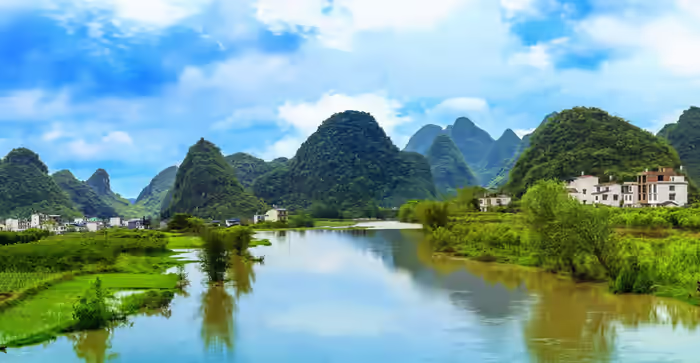
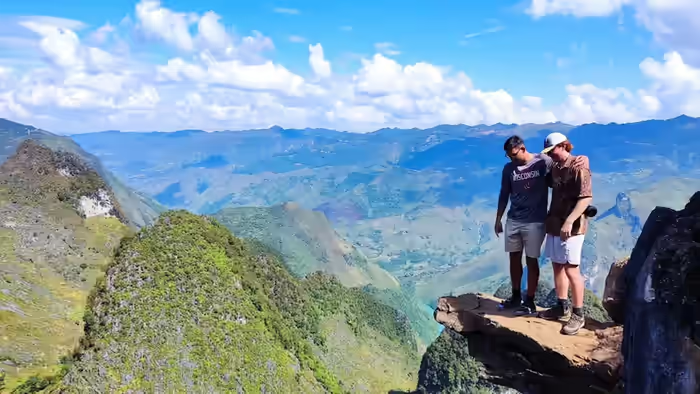
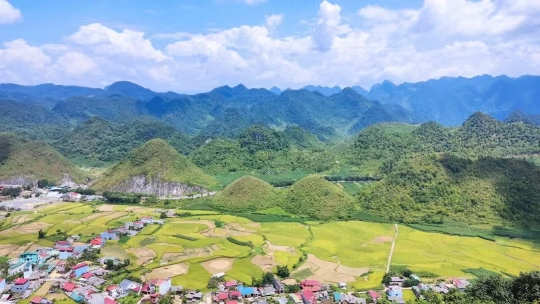
Ha Giang is one of Vietnam’s most spectacular destinations, famous for its dramatic mountain passes, ethnic minority villages, winding roads, and breathtaking landscapes. Located in the far north of Vietnam, Ha Giang offers a unique experience in every season, from blooming flowers in spring to golden rice terraces in autumn.
Many travelers planning the legendary Ha Giang Loop ask the same question: When is the best time to visit Ha Giang?
The answer depends on what you want to see and experience. Whether you’re looking for perfect riding conditions, vibrant flower fields, cultural festivals, or stunning photography opportunities, this guide will help you choose the ideal time for your trip.
Quick Answer: What Is the Best Time to Visit Ha Giang?
If you’re looking for the overall best months, consider:
- March to May – Pleasant temperatures, blooming flowers, and clear skies.
- September to November – Golden rice terraces, buckwheat flowers, and excellent visibility.
- October – Often considered the most beautiful month in Ha Giang.
- December to February – Cool weather, misty mountain scenery, and fewer tourists.
- June to August – Lush green landscapes but frequent rainfall.
For most visitors, September through November offers the perfect combination of weather, scenery, and cultural experiences.
Ha Giang Weather Overview
Ha Giang has a mountainous climate with four distinct seasons.
| Season | Months | Temperature |
|---|---|---|
| Spring | March – May | 15–28°C |
| Summer | June – August | 22–34°C |
| Autumn | September – November | 18–28°C |
| Winter | December – February | 5–20°C |
Temperatures vary significantly between valleys and mountain peaks, especially in districts such as Dong Van and Meo Vac.
Spring in Ha Giang (March to May)
Why Visit During Spring?
Spring is one of the most comfortable times to explore Ha Giang.
After the cold winter months, the mountains become greener, flowers bloom across the valleys, and the weather remains mild throughout the day.
Highlights
- Peach blossoms and plum blossoms
- Fresh green landscapes
- Comfortable temperatures
- Ideal trekking conditions
- Clear mountain views
Average Temperatures
- March: 15–24°C
- April: 18–27°C
- May: 20–28°C
Best Activities
- Ha Giang Loop motorcycle tours
- Trekking around Du Gia
- Village homestays
- Landscape photography
Spring is particularly popular among travelers seeking pleasant weather without the large crowds of peak season.
Summer in Ha Giang (June to August)
Why Visit During Summer?
Summer brings warmer temperatures and the rainy season.
Although rainfall is more frequent, the mountains become incredibly lush and vibrant. Rice terraces begin turning bright green, creating stunning scenery across the region.
Highlights
- Green rice terraces
- Waterfalls at full flow
- Fewer international tourists
- Vibrant mountain landscapes
Average Temperatures
- June: 23–32°C
- July: 24–34°C
- August: 23–32°C
Things to Consider
- Afternoon rain showers are common.
- Mountain roads can become slippery.
- Fog may reduce visibility on some passes.
If you don’t mind occasional rain, summer offers some of the greenest and most dramatic scenery of the year.
Autumn in Ha Giang (September to November)
Why Autumn Is the Best Time to Visit Ha Giang
Autumn is widely considered the most beautiful season in Ha Giang.
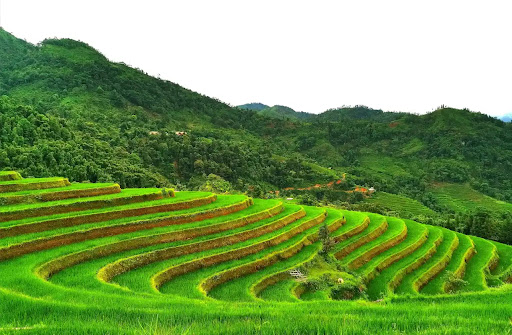
The weather becomes cooler and drier, visibility improves, and the famous rice terraces turn golden before harvest.
Highlights
- Golden rice terraces
- Buckwheat flower season
- Excellent road conditions
- Clear mountain views
- Comfortable temperatures
Average Temperatures
- September: 20–28°C
- October: 18–26°C
- November: 15–24°C
Best Activities
- Riding the Ha Giang Loop
- Photography tours
- Trekking
- Cultural village visits
For many travelers, October is the single best month to visit Ha Giang.
Buckwheat Flower Season (October to November)
One of Ha Giang’s most famous attractions is the annual buckwheat flower season.
The hillsides transform into fields of pink, purple, and white flowers, attracting photographers and visitors from around the world.
Best Places to See Buckwheat Flowers
- Dong Van Plateau
- Lung Cu
- Pho Cao
- Sung La Valley
- Meo Vac
Peak blooming typically occurs from late October through mid-November.
Golden Rice Terrace Season (September to October)
The rice harvest season creates some of the most iconic landscapes in northern Vietnam.
Terraced fields covering the mountainsides turn brilliant shades of gold before local communities begin harvesting.
Best Locations
- Hoang Su Phi
- Quan Ba
- Yen Minh
- Du Gia
September and early October are perfect for photographers seeking postcard-worthy scenery.
Winter in Ha Giang (December to February)
Why Visit During Winter?
Winter offers a completely different atmosphere.
The mountains are often covered in mist, temperatures drop significantly, and tourist numbers decrease.
Highlights
- Quiet roads
- Dramatic foggy landscapes
- Authentic local experiences
- Lower accommodation demand
Average Temperatures
- December: 10–20°C
- January: 5–18°C
- February: 8–20°C
Things to Pack
- Warm jacket
- Gloves
- Thermal layers
- Waterproof clothing
In higher elevations, temperatures can occasionally approach freezing.
Best Time for the Ha Giang Loop
The Ha Giang Loop can be ridden year-round, but some seasons provide a better experience.
| Activity | Best Months |
|---|---|
| Easy Rider Tour | March–May, September–November |
| Self-Riding Motorbike | March–May, October–November |
| Photography Tour | September–November |
| Trekking | March–May |
| Rice Terrace Viewing | September–October |
| Buckwheat Flowers | October–November |
| Cultural Experiences | Year-round |
For first-time visitors, October is often the safest recommendation.
Month-by-Month Guide
January
- Cold and misty
- Few tourists
- Great for peaceful travel
February
- End of winter
- Spring flowers begin appearing
- Comfortable sightseeing
March
- Blooming landscapes
- Excellent riding weather
April
- Warm temperatures
- Clear skies
- Ideal for outdoor activities
May
- Green valleys
- Fewer crowds
June
- Beginning of rainy season
- Vibrant landscapes
July
- Warmest month
- Frequent rainfall
August
- Green rice terraces
- Reduced tourist numbers
September
- Golden rice fields emerge
- Excellent photography opportunities
October
- Peak travel season
- Best overall conditions
November
- Buckwheat flowers at their peak
- Cool temperatures
December
- Winter scenery
- Quiet roads and villages
Local Festivals and Cultural Events
Ha Giang is home to numerous ethnic minority communities, each with unique traditions and celebrations.
Lunar New Year (Tet)
Usually held in January or February, Tet is Vietnam’s most important festival.
Khau Vai Love Market
Held annually in spring, this unique cultural event attracts visitors from across northern Vietnam.
Buckwheat Flower Festival
Typically celebrated in October or November with cultural performances, food, and traditional activities.
Travel Tips for Visiting Ha Giang
Bring Layers
Weather conditions can change quickly, especially in mountainous areas.
Book Transportation Early
Night buses from Hanoi can sell out during peak travel periods.
Start Early Each Day
Morning rides often offer the best visibility and most comfortable temperatures.
Check Weather Forecasts
Heavy rain can occasionally affect road conditions during summer.
Allow Enough Time
A minimum of three to four days is recommended for the full Ha Giang Loop experience.
Frequently Asked Questions
What is the best month to visit Ha Giang?
October is generally considered the best month thanks to clear weather, golden landscapes, and buckwheat flowers.
Is Ha Giang worth visiting during the rainy season?
Yes. The mountains become incredibly green and beautiful, though travelers should be prepared for rain.
Can I do the Ha Giang Loop in winter?
Absolutely. Winter offers fewer crowds and unique scenery, but temperatures can be very cold.
When are the rice terraces golden?
Rice terraces are usually at their most beautiful from mid-September to early October.
When do buckwheat flowers bloom?
The peak season is typically from late October through November.
Final Thoughts
There is no bad time to visit Ha Giang. Each season offers something unique, from spring blossoms and summer greenery to autumn rice terraces and winter mountain mist.
If you’re looking for the ultimate Ha Giang experience, plan your visit between September and November, when the weather is comfortable, the landscapes are at their most spectacular, and the region’s famous buckwheat flowers are in bloom.
No matter when you visit, Ha Giang promises unforgettable adventures, breathtaking scenery, and some of the most rewarding travel experiences in Vietnam.