Ha Giang vs Sapa: Which Northern Vietnam Adventure Fits You Best?
Northern Vietnam is home to some of the most breathtaking landscapes in Southeast Asia, and two destinations stand out above the rest: Ha Giang and Sapa. Both offer unforgettable mountain scenery, rich ethnic cultures, and incredible road trips — but the experiences are surprisingly different.
If you’re planning your next adventure and wondering which destination suits your travel style, this guide will help you decide.
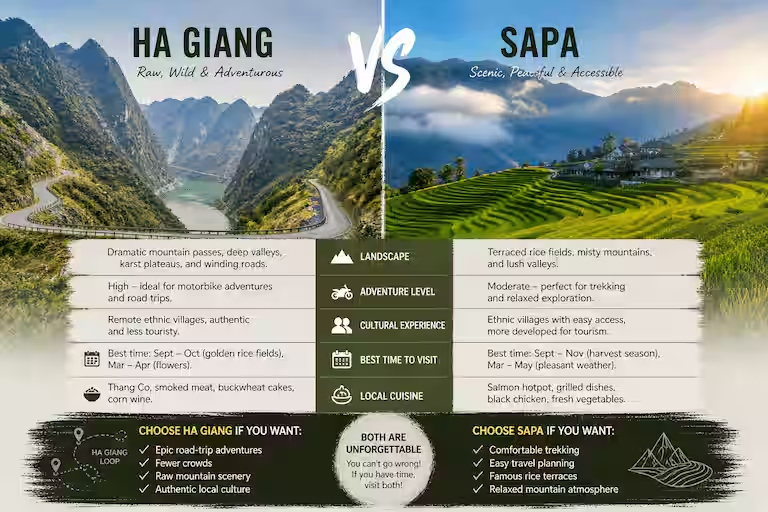
1. Landscape & Scenery
Ha Giang: Raw, Dramatic, Untouched
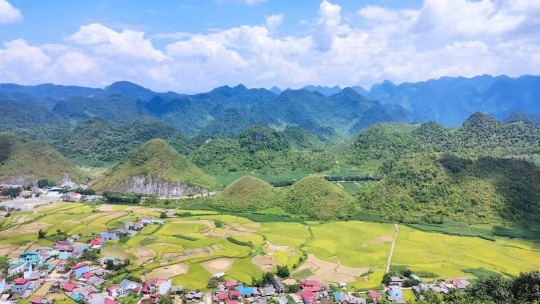
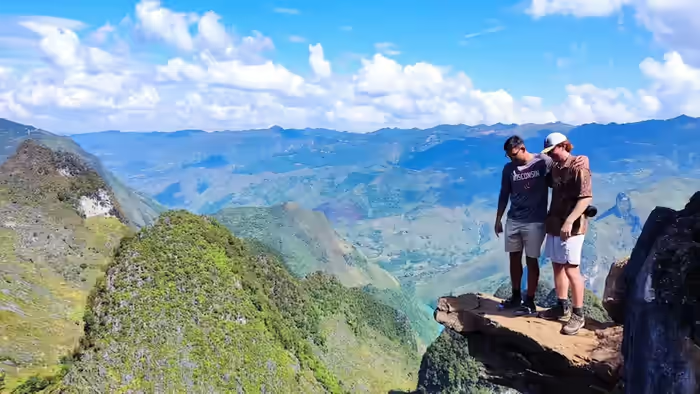
Ha Giang is famous for its rugged mountain passes, deep valleys, winding roads, and remote villages. The legendary Ha Giang Loop tours take travelers through jaw-dropping landscapes that feel wild and authentic.
Highlights include:
- Ma Pi Leng Pass
- Dong Van Karst Plateau
- Nho Que River
- Limestone mountains and canyon roads
Ha Giang feels adventurous, remote, and less commercialized.
Sapa: Terraced Rice Fields & Misty Mountains
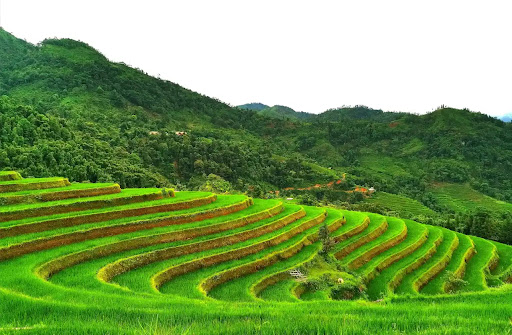
Sapa is known for its iconic rice terraces, cool climate, and cloud-covered mountains. It’s more developed for tourism and offers easier access to trekking and accommodation.
Highlights include:
- Muong Hoa Valley
- Fansipan Mountain
- Rice terraces during harvest season
- Scenic trekking villages
Sapa feels romantic, peaceful, and accessible.
2. Adventure Level
Ha Giang
Perfect for travelers who love:
- Motorbike adventures. (Looking for a safer option? Many travelers now choose the Ha Giang Loop by car experience for more comfort and flexibility.)
- Long scenic road trips
- Remote exploration
- Authentic local encounters
The roads can be challenging, especially for inexperienced riders, but the reward is unforgettable scenery.
Sapa
Better suited for travelers who prefer:
- Comfortable trekking
- Easier transportation
- Relaxed mountain experiences
- Resort stays and cafés
Sapa is ideal for families, couples, and first-time visitors to Northern Vietnam.
3. Cultural Experience
Both destinations are home to ethnic minority communities, but the atmosphere differs.
In Ha Giang
You’ll encounter:
- Hmong
- Tay
- Dao
- Lo Lo communities
Villages are often more isolated and traditional, giving visitors a deeper sense of local life.
In Sapa
Cultural experiences are easier to access, with many trekking routes connecting villages and homestays. However, tourism is more developed and commercial in some areas.
4. Best Time to Visit
| Season | Ha Giang | Sapa |
|---|---|---|
| Spring (Mar–Apr) | Flowers & green mountains | Cool weather & trekking |
| Summer (May–Aug) | Lush landscapes | Green rice terraces |
| Autumn (Sep–Oct) | Golden rice fields | Harvest season |
| Winter (Nov–Feb) | Cold but dramatic | Foggy, sometimes snowy |
For photography, both destinations are incredible during September and October.
5. Food & Local Cuisine
Ha Giang Specialties
- Thang Co
- Smoked buffalo meat
- Buckwheat cakes
- Corn wine
Sapa Specialties
- Salmon hotpot
- Grilled mountain dishes
- Black chicken
- Fresh vegetables
Food in both regions reflects mountain culture and local traditions.
6. Which Destination Should You Choose?
Choose Ha Giang if you want:
- Epic road-trip adventures
- Fewer crowds
- Raw mountain scenery
- Authentic local culture
Choose Sapa if you want:
- Comfortable trekking
- Easy travel planning
- Famous rice terraces
- Relaxed mountain atmosphere
Final Thoughts
There’s no wrong choice between Ha Giang and Sapa — both are among the most beautiful destinations in Vietnam. The best option depends on your travel style.
If you crave adventure and dramatic roads, Ha Giang will steal your heart.
If you prefer peaceful trekking and iconic mountain scenery, Sapa is the perfect escape.
And if you have enough time? Visit both for the ultimate Northern Vietnam experience.
Plan Your Northern Vietnam Adventure
Whether you choose Ha Giang, Sapa, or both, Bon Bon Travel offers authentic local experiences, private transportation, and unforgettable mountain journeys across Northern Vietnam.